
Behind The Scenes: How Event Production Companies Bring Denver Events To Life?
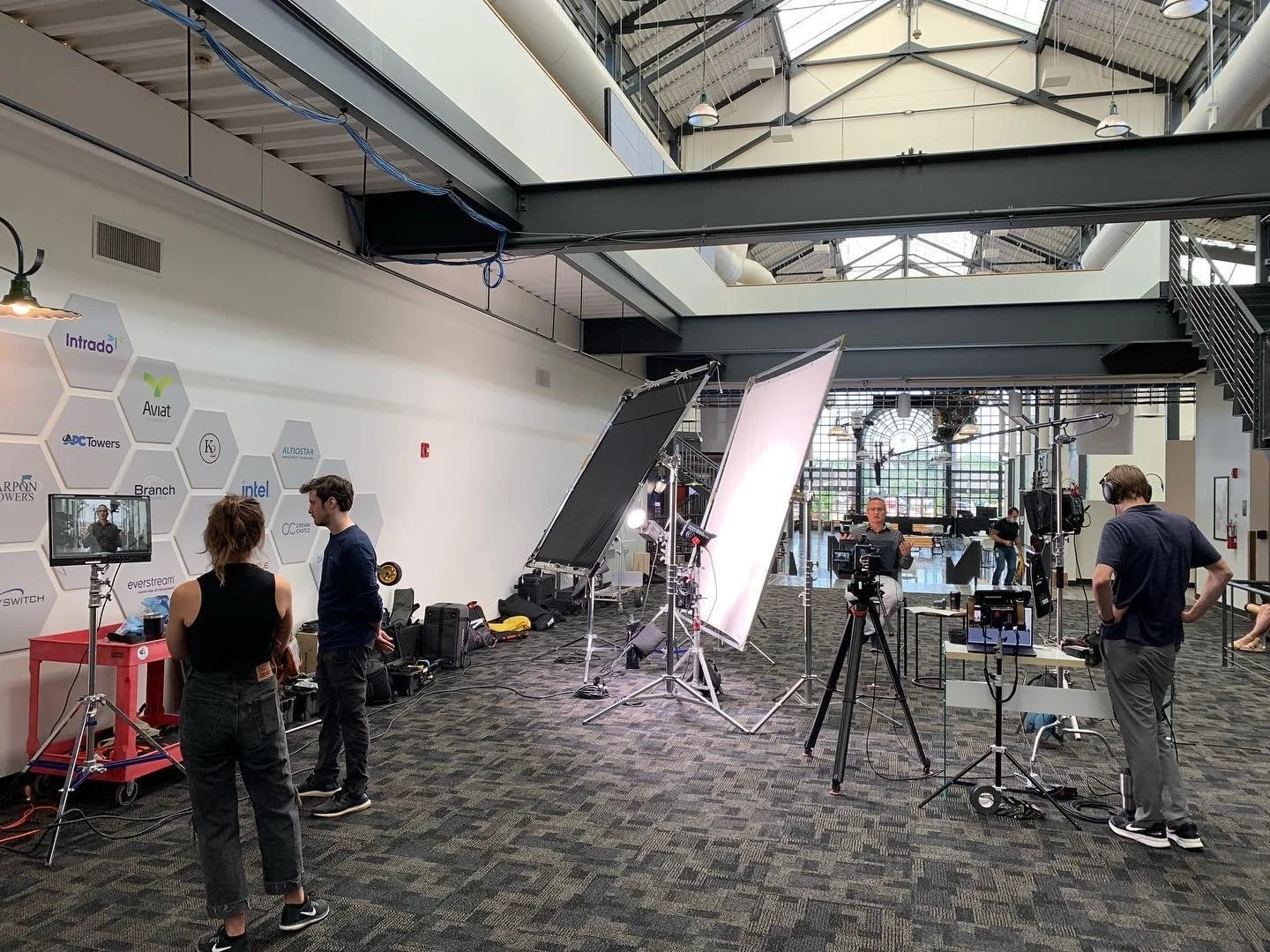
A successful event can feel effortless from the audience’s perspective. Guests arrive, presentations begin on schedule, lighting creates the right atmosphere, speakers sound clear, and visual content appears exactly when expected. However, behind that polished experience is a carefully coordinated production process involving technology, creativity, planning, and experienced professionals. For organizations hosting conferences, corporate meetings, product launches, awards programs, and other large gatherings, working with an event production company in Denver can help transform an initial concept into a professionally executed experience. Much of this work happens long before guests enter the venue. Understanding The Vision Of The Event Every event starts with an idea. Before equipment is selected or a stage is built, production professionals need to understand what the organizer wants to accomplish. A corporate conference may prioritize clear presentations and audience engagement, while an awards ceremony may require dramatic lighting and carefully timed audiovisual elements. A product launch might rely heavily on large displays, branded visuals, music, and creative staging. Production teams consider the purpose of the event, expected audience, venue, schedule, content requirements, and overall atmosphere. Understanding these elements early helps create a production strategy where every technical decision supports the larger vision. Turning An Empty Venue Into An Event Environment One of the most noticeable transformations happens during setup. A ballroom, conference center, or other venue may initially provide little more than an open space. Production professionals turn that space into an environment designed around the event. Staging determines where attention will be focused. Screens and displays ensure attendees can follow presentations. Lighting can highlight speakers, reinforce branding, or change the atmosphere between different parts of the program. Careful planning is particularly important because every venue presents different possibilities and limitations. Ceiling heights, power availability, room dimensions, loading access, seating layouts, and existing technology can all influence production decisions. By evaluating the venue beforehand, the production team can determine what equipment and setup approach will work most effectively. Creating Clear And Consistent Audio Sound is one of the easiest production elements for attendees to notice when something goes wrong. A microphone that cuts out, uneven volume, or poor sound coverage can quickly distract an audience. Professional audio production involves much more than placing microphones near speakers. Teams consider room acoustics, audience size, speaker placement, microphone requirements, mixing, and the type of content being presented. Before guests arrive, technicians test the audio system and make adjustments based on the room. During the event, audio professionals continuously monitor sound levels and respond to changing requirements. This behind-the-scenes attention allows presenters to concentrate on communicating rather than worrying about whether everyone can hear them. Using Visual Technology To Strengthen Communication Modern events often depend heavily on visual communication. Presentations, videos, animations, remote participants, live camera feeds, and branded graphics may all need to appear at specific moments. Production teams determine how this content will be displayed and managed throughout the program. Depending on the event, this could involve projection, LED displays, multiple screens, cameras, switching systems, and presentation technology. Visual production is not simply about using impressive equipment. Technology should make information easier to understand and help maintain audience attention. Screen placement, image size, viewing angles, and content quality all contribute to the final experience. Designing Lighting For Function And Atmosphere Lighting has both practical and creative purposes. Presenters need to be clearly visible, but lighting can also dramatically influence how an event feels. Different colors, brightness levels, movement, and lighting positions can help distinguish individual sections of a program. A conference session may require clean and professional illumination, while an evening celebration may call for a more dramatic environment. Lighting professionals coordinate their work with staging, video, and other production elements. This integration helps the entire space feel intentionally designed rather than assembled from separate technical components. Coordinating Everything In Real Time Once the event begins, another important phase of production starts. Technicians and production managers work behind the scenes to ensure every element happens at the appropriate moment. A typical program may involve speaker entrances, presentation slides, videos, lighting changes, music cues, camera feeds, and transitions between sessions. These components need to work together smoothly. Detailed schedules, rehearsals, communication systems, and clearly assigned responsibilities help production crews maintain control throughout the event. Teams also prepare for unexpected changes because live events rarely unfold exactly as originally planned. A presenter may arrive late, a session may run longer than expected, or content may need to be changed shortly before it appears on screen. Experienced production professionals adapt while minimizing disruption to the audience. Bringing Creativity And Technology Together The most effective event production is not simply about having advanced equipment. It is about knowing how to combine creative thinking with technical expertise. Sound, lighting, video, staging, and content should work together to support the purpose of the gathering. When these elements are thoughtfully coordinated, technology becomes part of the experience rather than a distraction. Behind every polished Denver event is extensive preparation that most attendees never see. From early planning and venue evaluation to technical setup and real-time coordination, event production companies manage countless details that contribute to the final result. Their work allows organizers to focus on their audience and objectives while the production team handles the complex process of bringing the event to life. ConnorConnor is a passionate writer and blogger, primarily focusing on business growth and management. With a keen interest in exploring the dynamics of entrepreneurship, Connor delves into topics ranging from innovative strategies to leadership insights. Alongside his professional pursuits, he nurtures a love for travel, especially in search of culinary adventures. Through his writing, Mark aims to inspire and inform readers, sharing valuable insights into the worlds of business and gastronomy. www.theupbocw.com